
Technical Visits
Three Technical Visits are available:
- Technical Visit 1 – (Metro de Lisboa) Beneath Lisbon: a metro construction tour from Estrela to the river
- Technical Visit 2 – (Metro do Porto) The Ruby Line: discover Porto, Gaia and the Douro
- Technical Visit 3 – (Plano Geral de Drenagem de Lisboa (PGDL)) Beneath Lisbon: discover the city’s plan for a more resilient future
Technical Visits Policy: Please note that all technical visits are subject to a minimum number of registrations in order to take place. Places are limited and will be allocated on a first-come, first-served basis. Once the maximum number of participants has been reached, additional registrations will be placed on a waiting list and offered a place should vacancies become available.
(if possible, bring Personal Protective Equipment)
Technical Visit 1 – (Metro de Lisboa) Beneath Lisbon: a metro construction tour from Estrela to the river
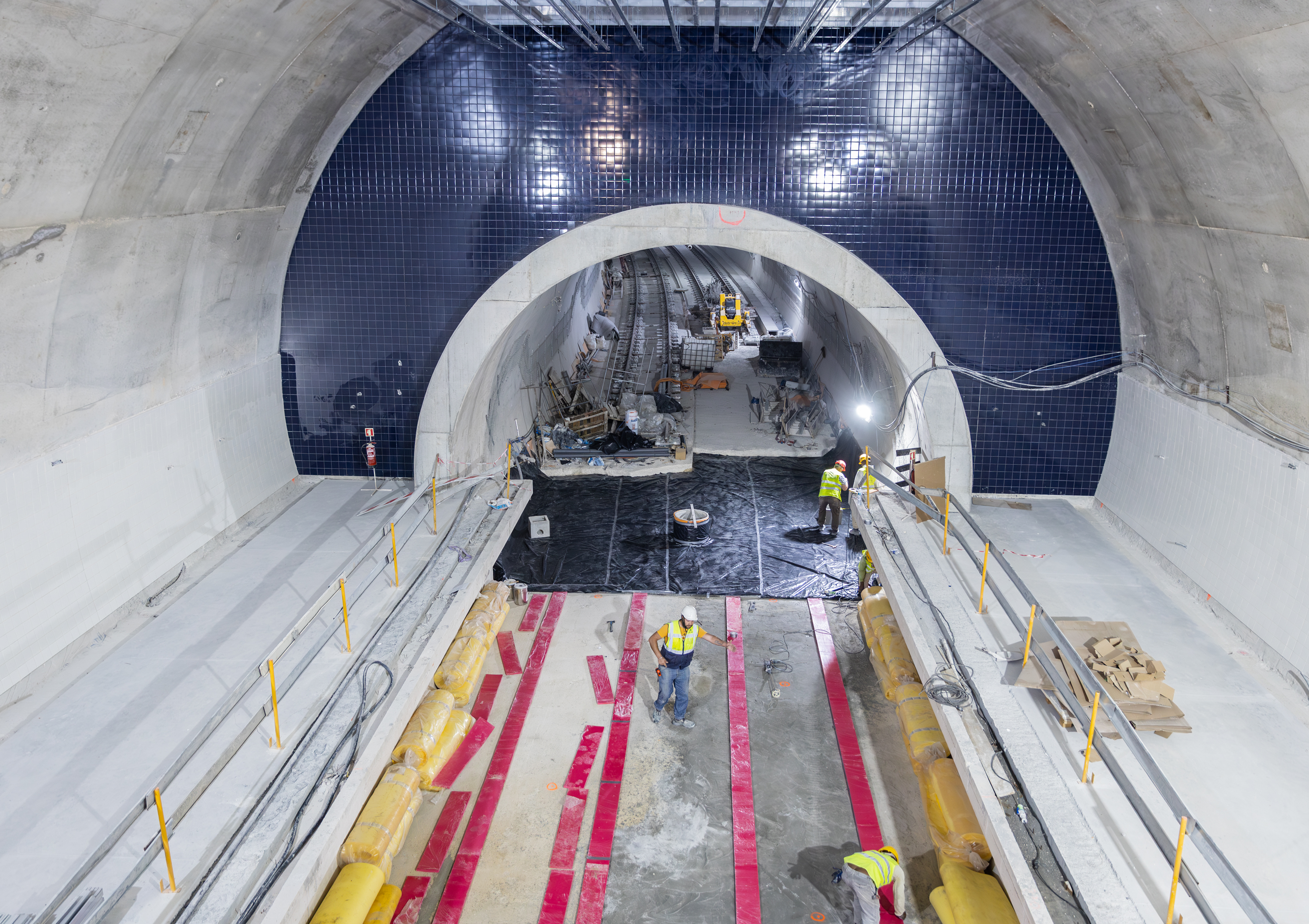
Discover Lisbon from a different perspective: below the streets, where a major metro expansion is taking shape beneath one of the city’s most inviting neighbourhoods.
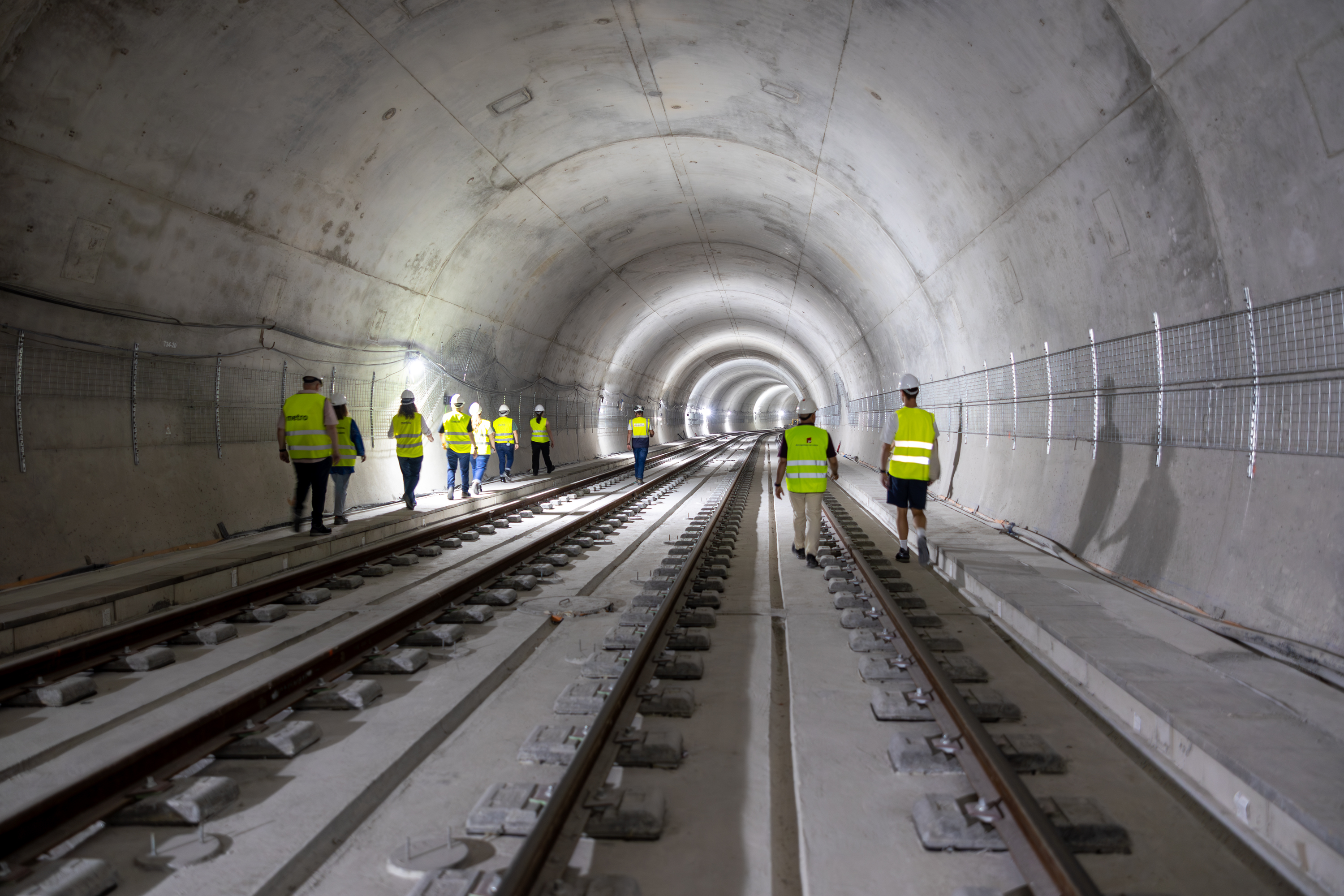
The visit begins at Estrela Station, close to the gardens of Jardim da Estrela and the striking Basilica da Estrela. From there, participants will explore the construction site of the new metro line, part of a major investment that will add the Estrela and Santos stations and create a new Circular Line in central Lisbon. The project includes approximately 1.9 kilometres of underground infrastructure, designed to improve the network’s capacity, resilience and connections.
Guided by Metropolitano de Lisboa, visitors will descend to the future Santos Station, 54 metres below ground, then walk through the tunnel towards Cais do Sodré, passing through Santos along the way. Emerging near Lisbon’s riverside, the route connects an extraordinary engineering experience with the lively Santos district and the waterfront around Cais do Sodré.
Along the way, discover what it takes to build a metro deep beneath a historic city: the engineering, logistics and operational challenges that remain hidden from view in everyday life. The result is a rare chance to experience Lisbon both as a visitor and from beneath its streets — combining the city’s neighbourhoods and riverside atmosphere with a first-hand look at the infrastructure shaping its future.
Maximum 25 people
Minimum 10 people
Start: 9:45 - concentration at the site entry Rua de São Bernardo (here)
End: 12:00 - new western entrance to Cais do Sodré Station, on the riverside, at Rua da Cintura do Porto de Lisboa (here) , near Titanic Sur Mer
(if possible, bring Personal Protective Equipment)
Technical Visit 2 – (Metro do Porto) The Ruby Line: discover Porto, Gaia and the Douro
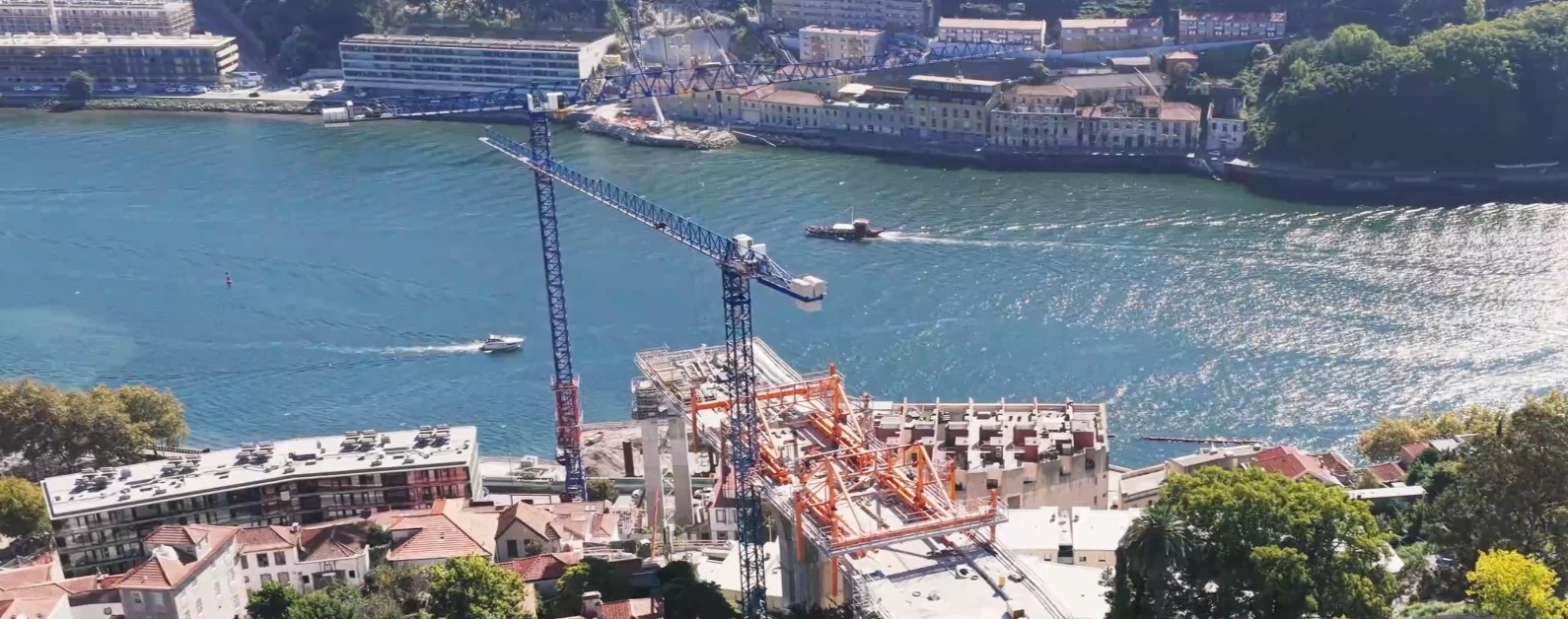
A new way to cross the Douro is on its way — and with it, a new way to explore Porto and Vila Nova de Gaia. Stroll through Porto’s historic streets, admire the tiled façades and make your way down to the riverside Ribeira. Then cross the river to Gaia, where the historic Port wine cellars invite you to discover how the region’s famous fortified wine is aged — and, of course, to enjoy a tasting.
The future Ruby (H) line of Metro do Porto will connect Casa da Música in Porto with Santo Ovídio in Gaia, bringing the two cities closer together. Stretching for more than six kilometres, it will have eight stations: Casa da Música, Campo Alegre, Arrábida, Candal, Rotunda, Devesas, Soares dos Reis and Santo Ovídio.
Arrábida, Candal and Rotunda — which will include parking for 500 vehicles — will be above ground. The other five stations will be underground, built using the cut-and-cover method. At Devesas, passengers will be able to connect with the railway line that connect Porto to Lisbon; Santo Ovídio is planned to connect with future high-speed rail services.
One of the project’s highlights will be a new bridge across the Douro, between the Massarelos and Campo Alegre area and Arrábida. Rising 70 metres above the river and stretching 835 metres, it will be named Ponte da D. Antónia Ferreira, a Ferreirinha, or simply Ponte Ferreirinha. The name honours Dona Antónia Ferreira, a remarkable 19th-century Portuguese businesswoman whose work was closely tied to the Port wine trade.
The project also includes two tunnels. Construction began in early 2024, following the award of the contract to a consortium formed by Alberto Couto Alves (ACA), FCC Construcción and Contratas y Ventas. The line is scheduled for completion in August 2028.
With an investment of €622 million, funded by Portugal’s Recovery and Resilience Plan, Environmental Fund and State Budget, the Ruby Line will make it easier to experience both sides of the Douro. Come for the new bridge; stay for Porto’s riverside charm, Gaia’s Port wine cellars and the stories that make this city break unforgettable.
Maximum 50 people (2 groups)
Minimum 20 people
Departure from Lisbon: 8:00 a.m
(if possible, bring Personal Protective Equipment)

Technical Visit 3 – (Plano Geral de Drenagem de Lisboa (PGDL)) Beneath Lisbon: discover the city’s plan for a more resilient future
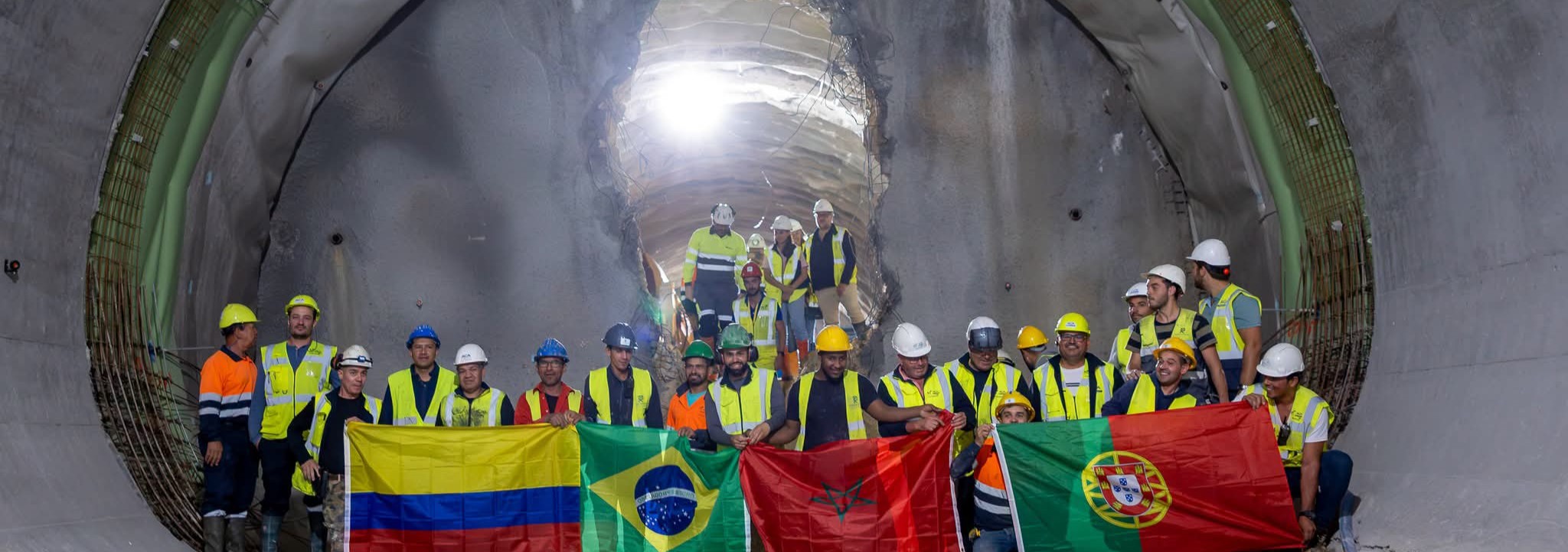
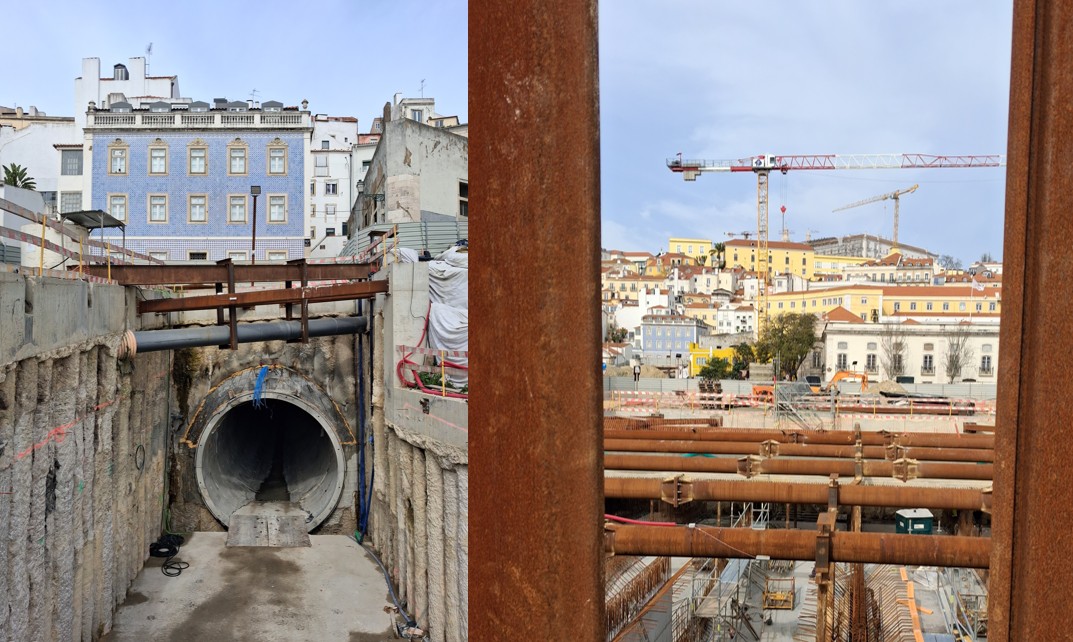
Lisbon’s hillsides and riverfront are part of its charm. They also make managing heavy rainfall a major challenge. The Lisbon Drainage Master Plan (PGDL) is creating new underground routes to help protect the city from flooding — and a visit to its construction works offers a rare look at how this essential infrastructure is built beneath the streets.
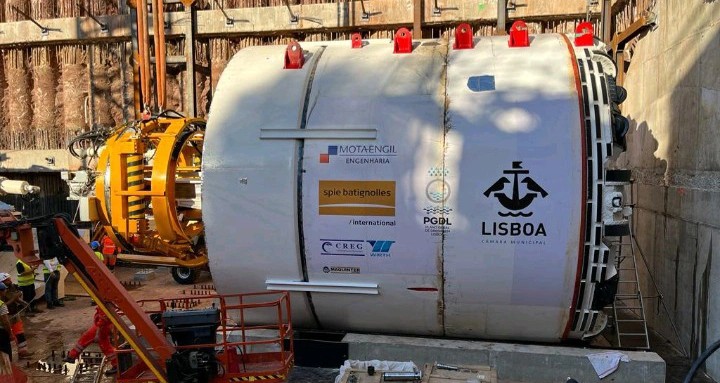
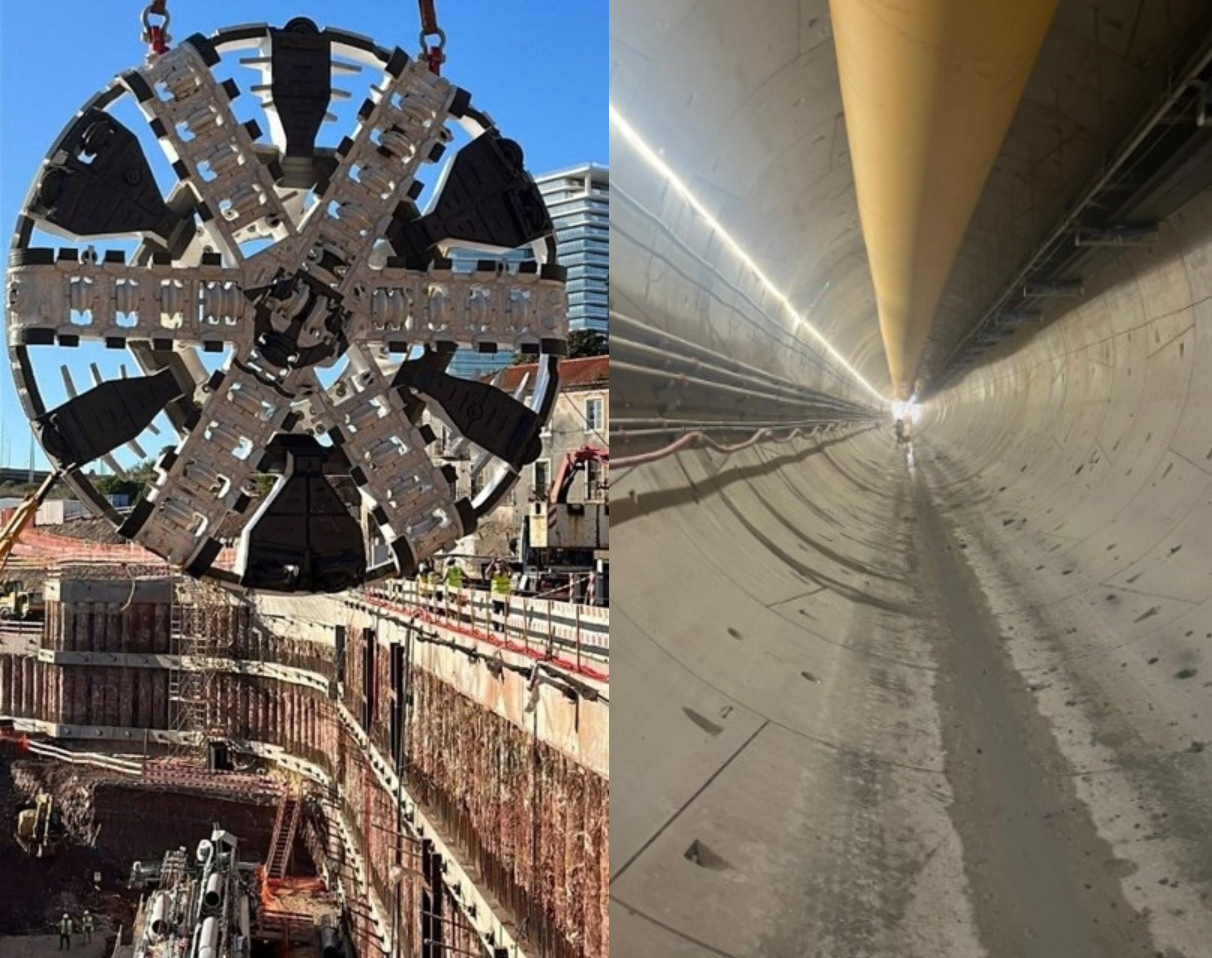
The visit includes the Anti-polution Basin at Campolide and Monsanto–Santa Apolónia tunnel, with an internal diameter of 5.5 metres and five kilometres. Visitors can learn how a giant tunnel boring machine, or TBM, excavates through the ground. Built by CREG-WIRTH, the EPB machine has a cutting diameter of 6,410 millimetres and is named H2Oli. The connection to the river will be visited at Santa Apolonia site works.
The PGDL’s benefits extend beyond drainage. Alongside helping to reduce flood risk, the plan promotes the reuse of treated wastewater, helping to close the urban water cycle.
From the green slopes of Monsanto to the historic riverfront at Santa Apolónia, this visit reveals another side of Lisbon: the engineering beneath its landmarks and the work helping the city adapt for the future. It´s a unique opportunity to walk inside the tunnel that keeps Lisbon dry.
The visit will focus on the infrastructure associated with the Santa Apolónia tunnel.
Maximum 40 people
Minimum 20 people
Start: 9:00 - Campolide site
End: 13:00 - same place, Campolide site
(if possible, bring Personal Protective Equipment: helmet and safety boots)